
What We Do
The core areas APSAEC focuses on to protect the environment and improve livelihoods in rural communities.
1
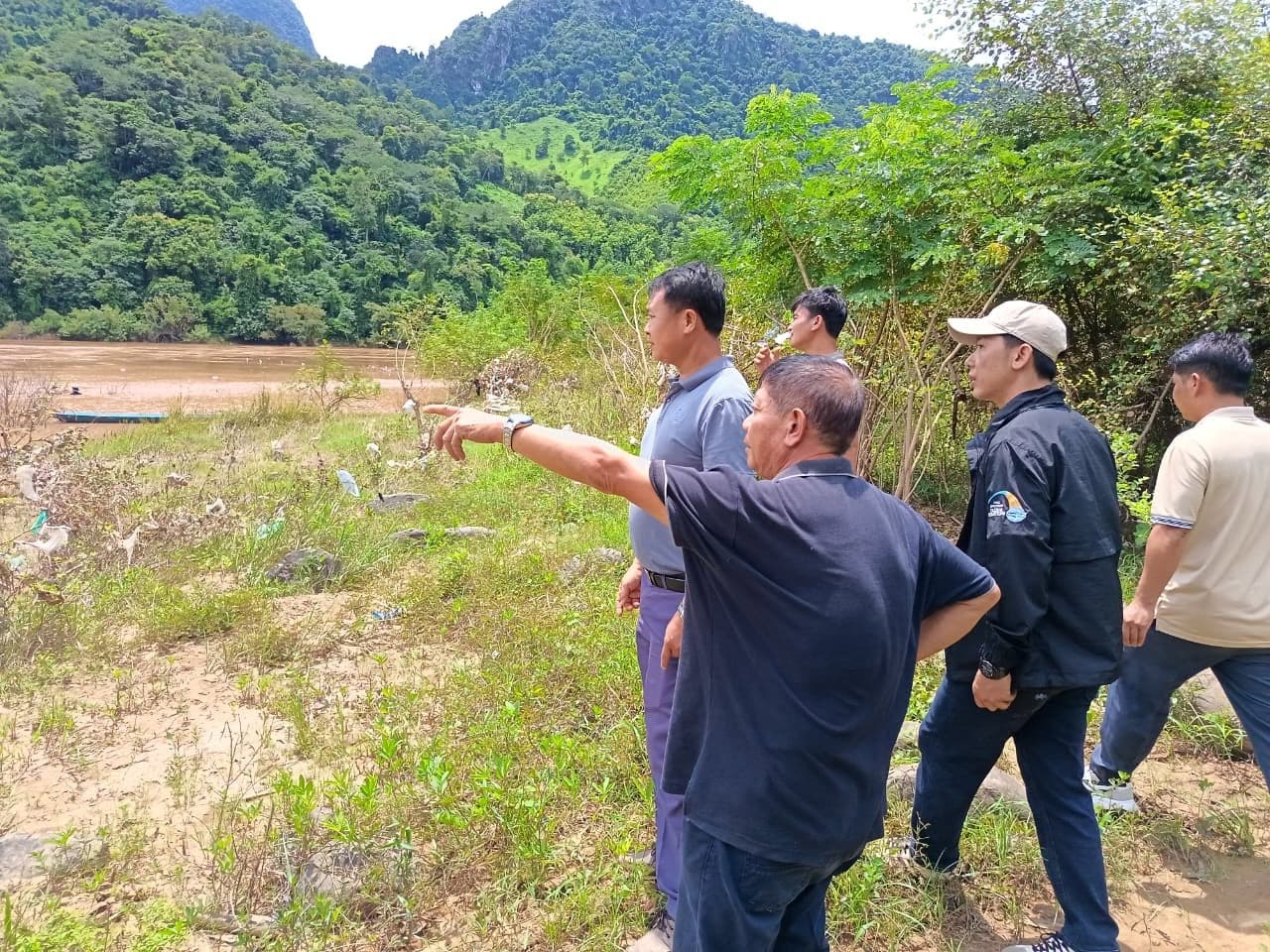
Natural Resource & Environmental Management
Scope: Protecting fragile ecosystems, preserving freshwater and terrestrial biodiversity, strengthening climate resilience, and promoting sustainable local stewardship of natural resources.
- Sub-Themes
1.1. Community-Based Water & Aquatic Resource Management: Localized aquatic resource stewardship, participatory river basin protection, and sustainable community-led fisheries governance, focusing strictly on protecting freshwater ecosystems, safeguarding aquatic biodiversity, and restoring degraded river habitats. - 1.2. Biodiversity Conservation & Landscape Restoration: Safeguarding wildlife populations, preserving and expanding forest cover, and healing degraded landscapes through active ecosystem restoration, focusing strictly on wildlife protection, forest conservation, and degraded land restoration.
- 1.3. Climate Resilience, Mitigation & Clean Energy Transition: Building community resilience to extreme weather through equitable climate adaptation using Community-Based Adaptation (CBA) tools, integrating Climate-Smart Agriculture (CSA) practices to protect agricultural livelihoods, alongside expanding decentralized renewable energy (such as solar and efficient biomass solutions) to reduce carbon footprints and deforestation pressures.
2
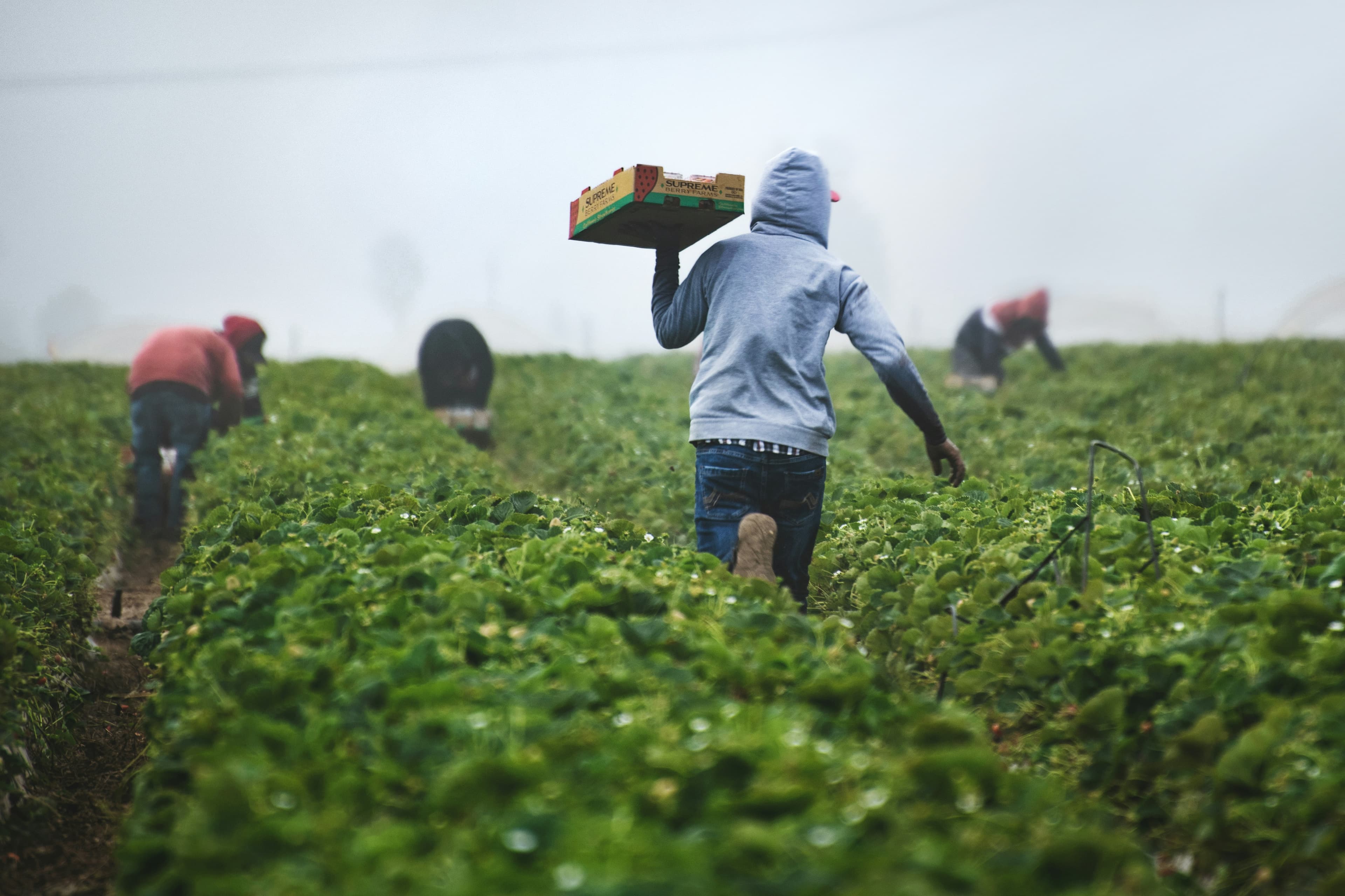
Sustainable Agriculture and Forestry
Scope: Transforming rural production systems into regenerative, climate-smart models while securing inclusive market access, secure land rights, and value addition.
- Sub-Themes
2.1. Regenerative Production, Technical Training & Landscape Integration: Enhancing soil health, expanding climate-resilient agro-ecological farming, and integrating agroforestry systems. This includes delivering hands-on technical capacity building for smallholders on crop cultivation, plantation management, sustainable animal raising, and reducing deforestation pressures to restore degraded landscapes. - 2.2. Inclusive Value Chains, Processing & Land Governance: Strengthening smallholder cooperatives and market linkages, scaling post-harvest loss reduction, and establishing community facilities for value addition and produce processing (e.g., grading, packaging, and agro-processing). This is underpinned by securing equitable land tenure and resource rights for rural communities.

3
Education and Community Development
Scope: Empowering rural populations and youth through practical skills, civic leadership, and institutional capacity building to drive sustainable community growth.
- Sub-Themes
3.1. Market-Driven Vocational Training & Sustainable Livelihoods: Equipping out-of-school youth and rural populations with in-demand technical skills such as green jobs, climate-smart agriculture, and eco-tourism coupled with financial literacy and business incubation to launch eco-friendly small enterprises. - 3.2. Youth Leadership & Community Civic Engagement: Fostering youth-led initiatives, peer education networks, and active participation in local decision-making, natural resource governance, and community development planning.
Cross-Cutting Initiatives
- 1. Partnerships & Private Sector Engagement: Forging strategic alliances with local businesses, cooperatives, and green enterprises to co-invest in sustainable value chains. This involves creating market linkages for climate-smart agriculture and eco-tourism, securing private-sector backing for youth TVET graduate placements, and scaling public-private partnerships (PPPs) for community-led resource conservation.
- 2. Policy Advocacy & Dialogue: Translating grassroots lessons into actionable policy recommendations through targeted research and proactive policy influencing. This includes advocating for supportive legal frameworks on community-based fisheries, land tenure security, and decentralized natural resource governance, while directly supporting government partners to organize and facilitate structured, multi-stakeholder dialogues at the central level between communities, resource users, and authorities.
- 3. Inclusive Development & Social Equity: Mainstreaming gender equality, social inclusion, and ethnic minority participation across all project activities. This ensures marginalized groups, women, and youth have equitable access to training, decision-making platforms in resource management, and fair benefits from green economic opportunities.
- 4. Humanitarian Action & Resilience: Integrating disaster risk reduction (DRR), emergency preparedness, and community response mechanisms into local development and natural resource management plans. This equips vulnerable rural populations with functional early warning systems, shock-responsive livelihoods, immediate emergency response capacities, essential relief inputs, and adaptive strategies to withstand climate extremes and socio-environmental shocks.
Expected Outcomes
- • Ecosystem Restoration & Fisheries Governance: Restored freshwater and terrestrial ecosystems, expanded forest cover, protected wildlife, and established sustainable community-led fisheries.
- • Climate Resilience & Clean Energy: Enhanced climate adaptation and agricultural mitigation through CBA/CSA tools while expanding decentralized clean energy to cut carbon footprints and deforestation.
- • Regenerative Agriculture & Value Chains: Improved smallholder technical capacities in regenerative farming, soil health, and agroforestry, backed by scalable value-addition processing, market linkages, and secure land tenure.
- • Youth Empowerment & Livelihoods: Equipped rural youth and out-of-school populations with in-demand green and technical skills to launch eco-friendly micro-enterprises and lead local governance networks.
- • Strategic Partnerships & Policy Advocacy: Mobilized private sector investment for sustainable value chains and TVET placements, while translating grassroots insights into central-level legal frameworks.
- • Inclusive Development & Disaster Resilience: Mainstreamed gender equality, social inclusion, and ethnic minority participation alongside functional early warning systems and DRR strategies to withstand climate shocks.