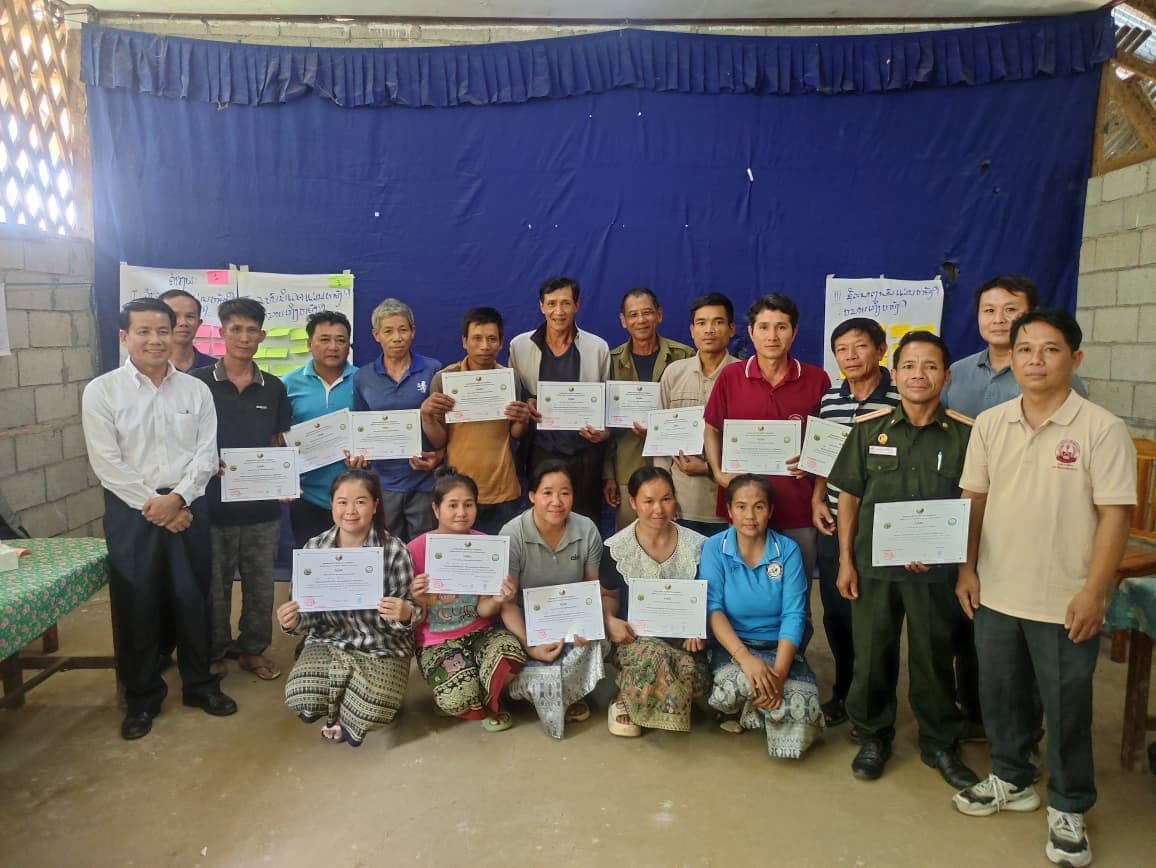
Empowering Local Communities: FCZ Management Training Completed in Hatkhor and Phatheung Villages, Luang Prabang
Protecting aquatic life today for sustainable fisheries and food security tomorrow🐟
Deep pools in our rivers are where fish shelter, breed and grow. When villages protect them well, there are more fish for everyone: more food on the table, more income for families, and healthy rivers for the next generation.
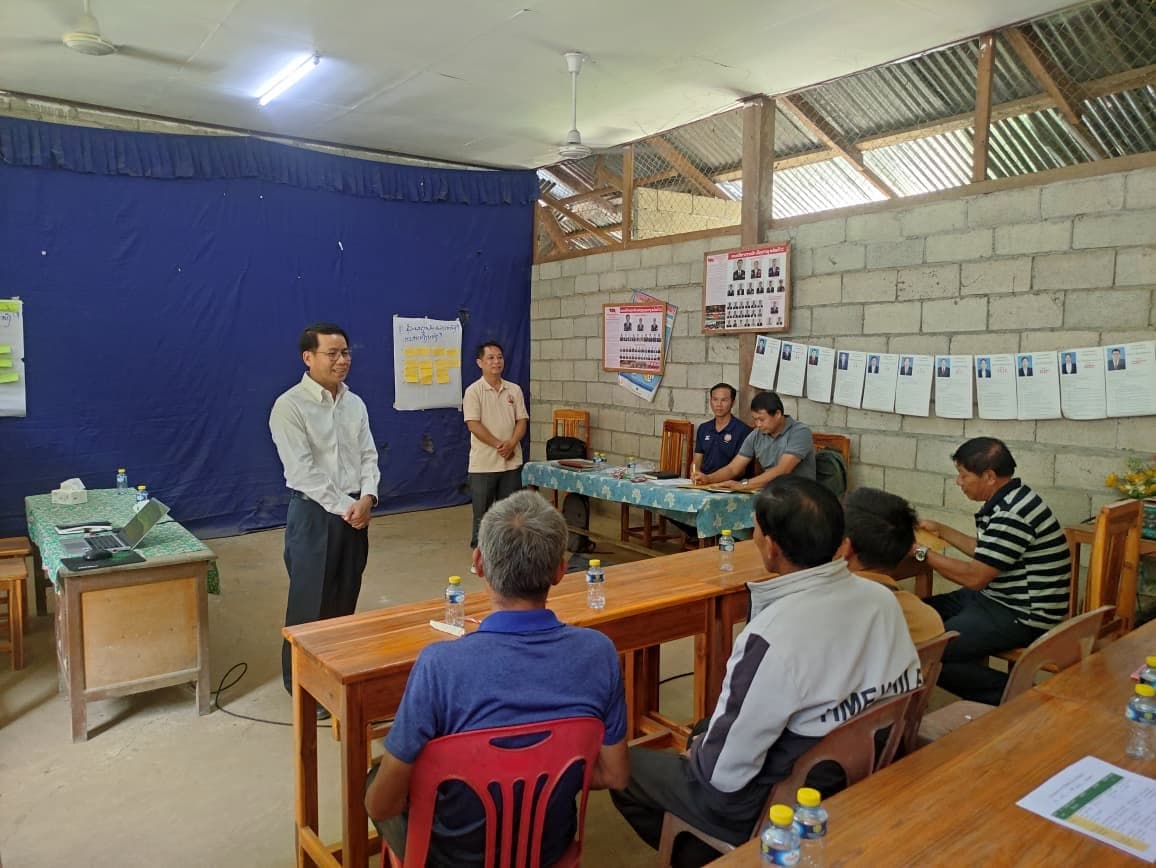
This week, the District Agriculture and Environment Office (DAEO) of Pak Ou District and the Association for Promoting Sustainable Agriculture and Environmental Conservation (APSAEC) were running a training on FCZ Regulations and Management for village FCZ Management and Utilization Committees.
When and where
- 📍 29 September 2026: Hatkhor Village
- 📍 30 September 2026: Phatheung Village
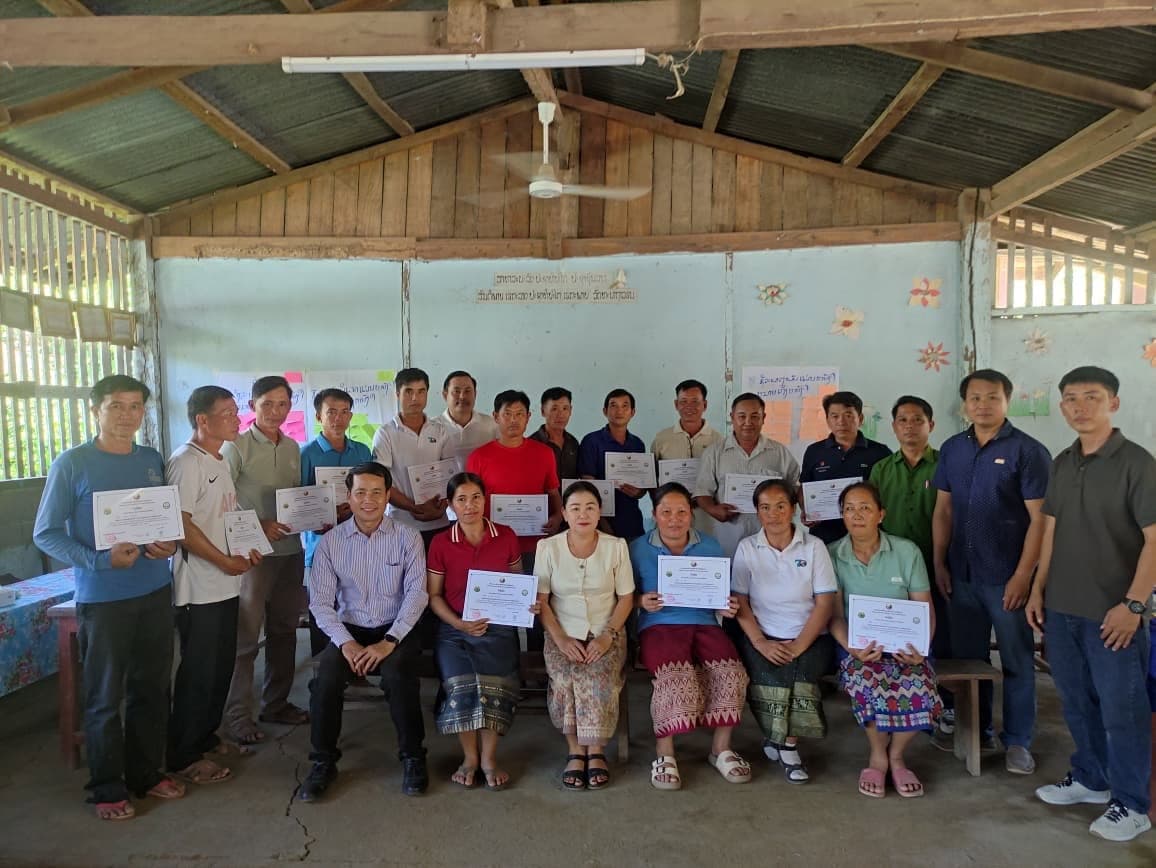
🏠 Village Meeting Hall, Pak Ou District, Luang Prabang Province👥 35 participants, 18 from Hatkhor Village and 17 from Phatheung Village
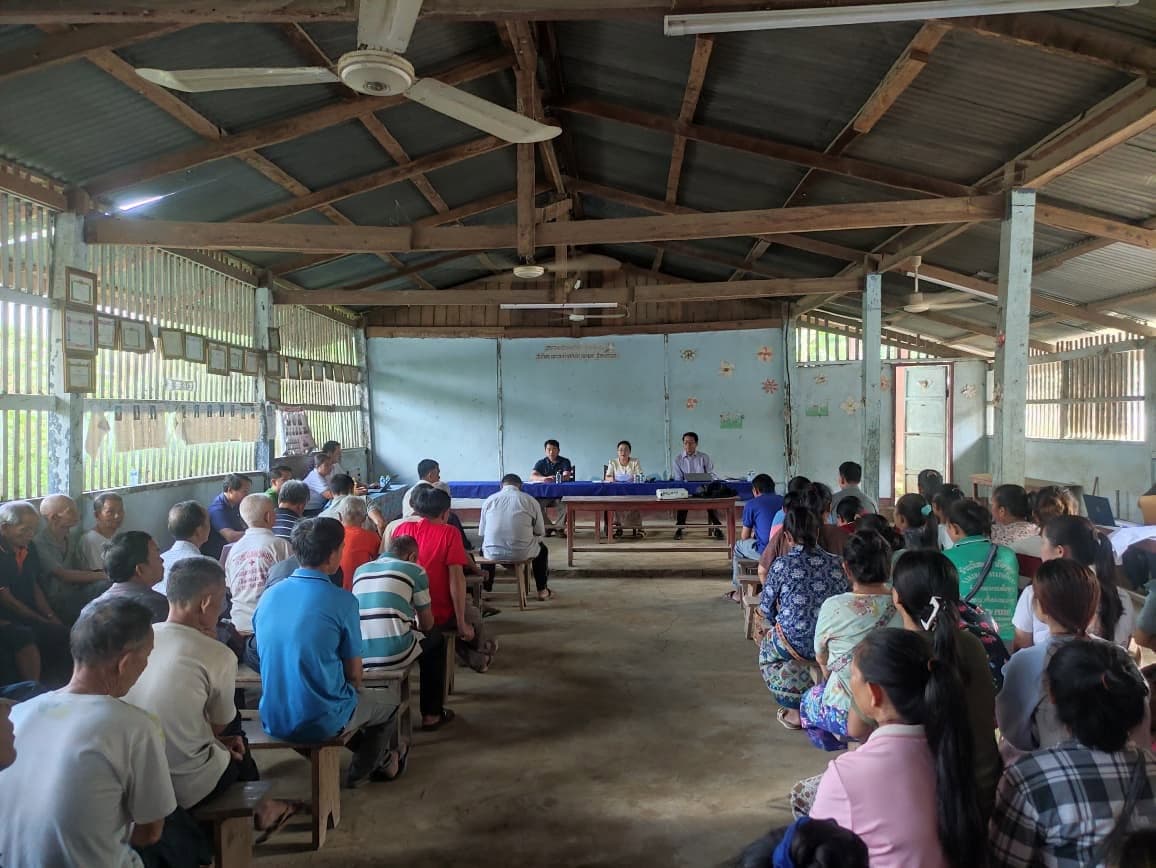
🎤 The Mrs. Chansouk Chantthanonh, Head of DAEO, Pak Ou District, chaired both sessions and gave the opening and closing remarks.
🎯 Objective
To strengthen the knowledge and skills of the village FCZ Management and Utilization Committees in Hatkhor and Phatheung, so they can manage and use their FCZs for long-term sustainable fisheries and food security.
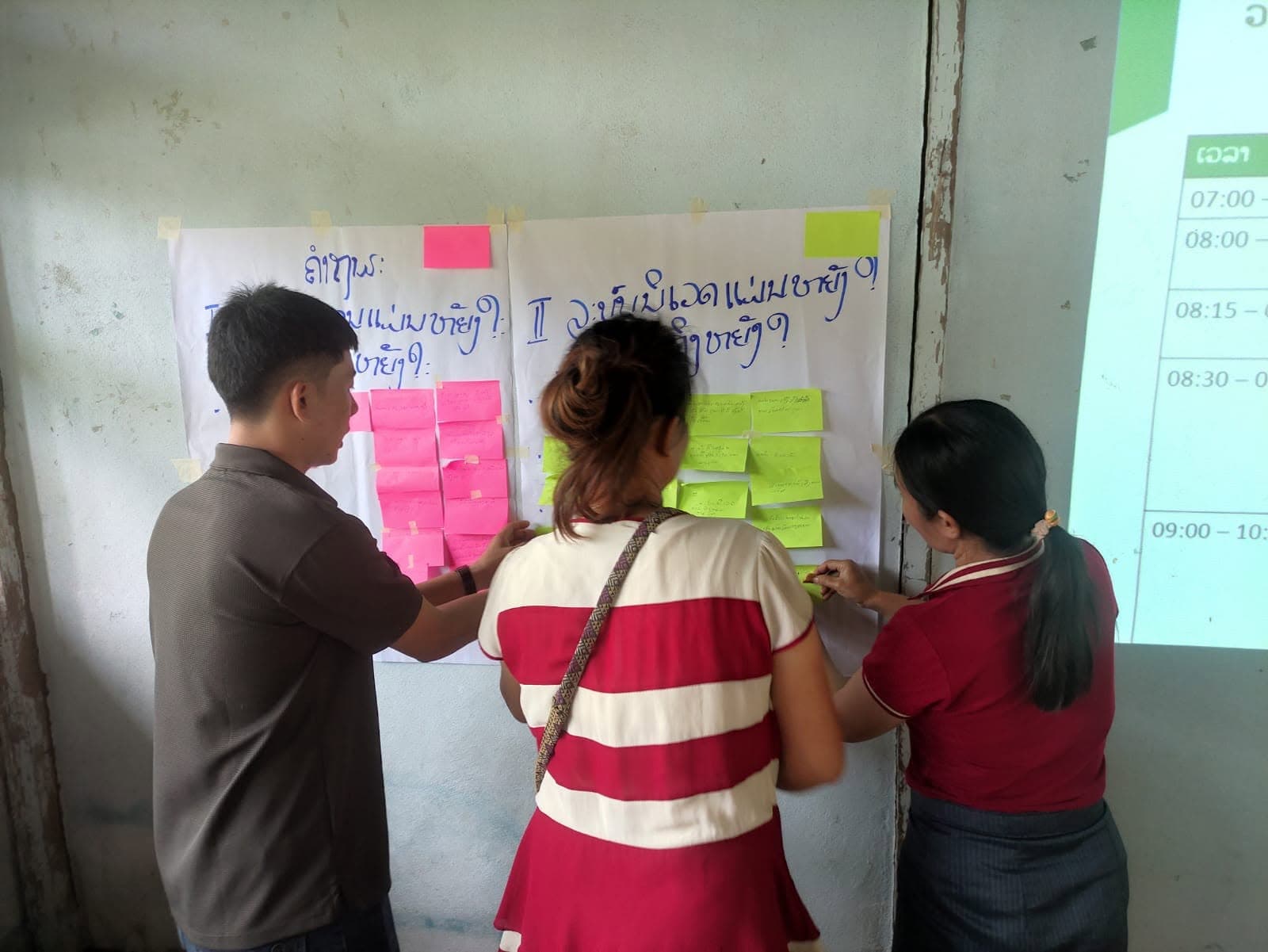
📚 What participants have learned
- 1️⃣ Key concepts: What an FCZ (Fish Sanctuaries) is, and what ecosystems and biodiversity are.
- 2️⃣ FCZ regulations and principles: The regulations and agreements on FCZ management, why FCZs were set up, good management practices, core principles, and where the rules apply.
- 3️⃣ Types and use of FCZs: Types of FCZs, surveying and marking boundaries, releasing aquatic species (recommended and prohibited species), FCZ-based eco-tourism, fish feeding, seasonal use, and general prohibitions.
- 4️⃣ Roles and responsibilities: The rights and duties of the District Livestock and Fisheries Unit.
- 5️⃣ Village governance and enforcement: The roles of the Village Steering, Mediation and Patrol Committees, how FCZ patrols work, rewards for outstanding performers, measures against violators, and benefit-sharing.
- 6️⃣ Action planning: Each village drafted and presented its own FCZ management and utilization action plan.
✅ Outcomes
- ✔️ Committees clearly understood FCZ regulations and their own rights and duties
- ✔️ Villages would be better able to patrol, protect and fairly share the benefits of their FCZs
- ✔️ Each village left with a practical FCZ action plan it could start using right away
- ✔️ Stronger cooperation between villages, district authorities and partners
- ✔️ Every village participant received a certificate of training participation 🎓
🤝 With participation from the District Lao Women's Union, a representative from Pak Ou and Pakchaek village clusters (Tasaeng).
Healthy rivers, plenty of fish, strong communities. Protecting our FCZs today means food security for tomorrow. 💚